Aftercare, without the noise
A short, quiet protocol for healing a new tattoo well — and what to ignore on the internet.
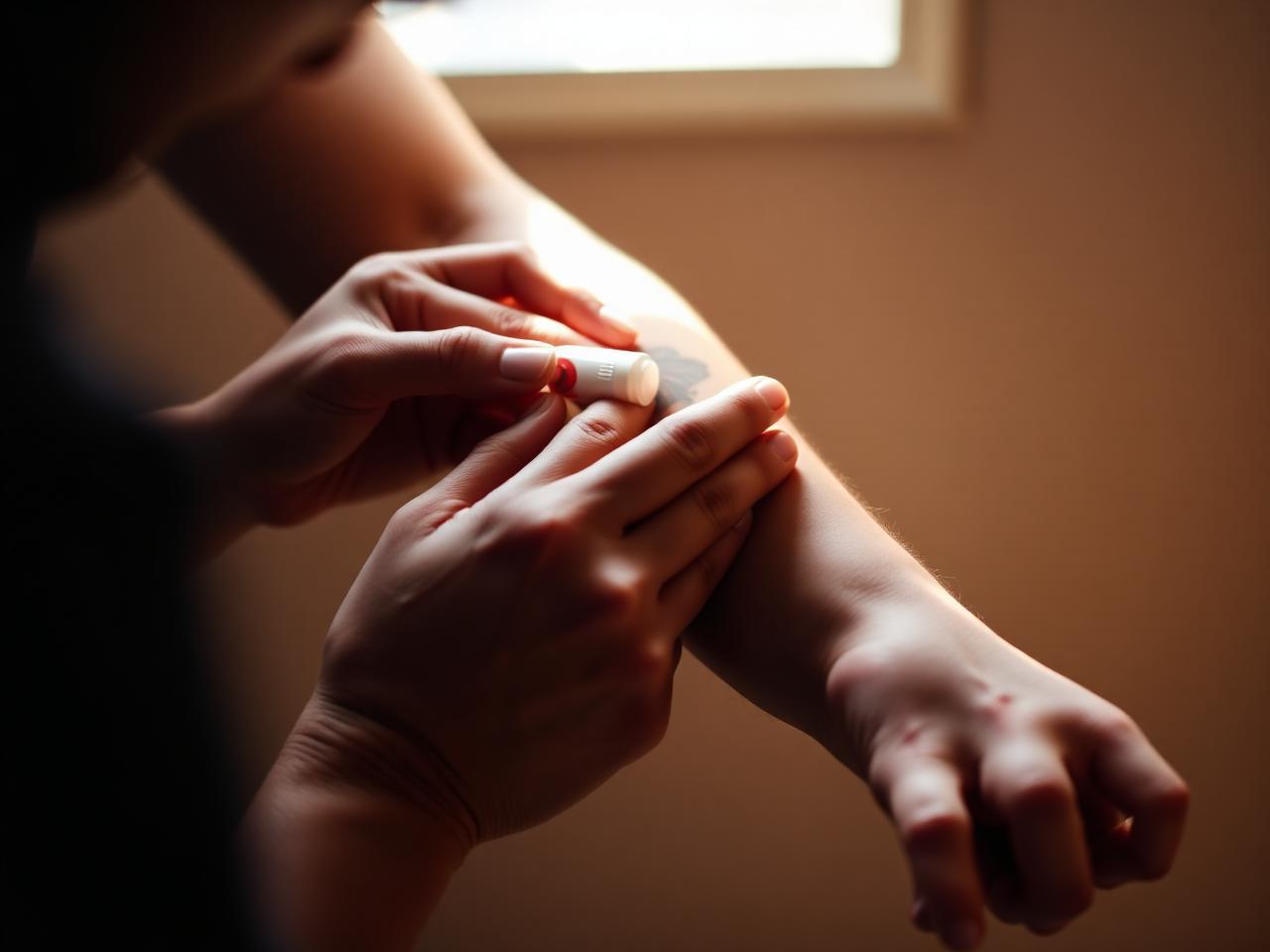
The aftercare internet is loud. There are creams, films, soaks, oils, vitamins, wet-healing routines, dry-healing routines, and an endless supply of people insisting that their version is the only safe one. Most of it is noise around a small, calm protocol: keep the tattoo clean, keep it lightly moisturized, avoid friction and soaking, and let your body heal.
Start with your artist's instructions. They know the technique they used, the placement, the size, how much trauma the skin took, and whether they wrapped the tattoo with traditional film or a second-skin bandage. Their protocol should beat anything you read online, including this article. What follows is general education, not medical advice.
The first hours are about protection. Leave the wrap on for the amount of time your artist tells you. Do not peek early because you are curious, and do not rewrap with random plastic from home unless the artist specifically instructs you to. Fresh tattoos are open skin; the goal is to keep them protected while the first fluid and plasma settle.
When it is time to wash, use clean hands, lukewarm water, and a mild unscented soap. Wash gently. Do not scrub, use a washcloth, or let direct shower pressure blast the tattoo. Pat dry with a clean towel or paper towel, then let it air dry for a short moment before applying anything.
Moisturizer should be thin. This is where many people overdo it. A tattoo does not need to be buried under balm; too much product can trap moisture and irritate the skin. Use a thin layer of fragrance-free balm or lotion, just enough that the skin feels comfortable and not tight. If the tattoo looks shiny and greasy, you probably used too much.
Second-skin bandages have their own rules. Some artists use adhesive film that stays on for several days; others prefer a shorter window. Fluid pooling under the film can be normal, but leaking, broken edges, rash, or strong irritation are reasons to check with your artist. Do not patch a failing bandage with household tape.
The first two weeks are mostly about what to avoid. Skip swimming, hot tubs, saunas, soaking baths, direct sun, heavy friction, and workouts that rub the area or leave sweat sitting on the tattoo. Wear clean, loose clothing when possible. Let flaking happen on its own. Do not pick scabs, even tiny ones; picking is one of the fastest ways to lose ink.
Normal healing can look a little strange. Mild redness, tenderness, plasma, flaking, dryness, and itching are common. What is not normal is worsening pain after the first few days, spreading redness, heat, pus, fever, an aggressive rash, or swelling that feels out of proportion. If something seems wrong, contact your artist promptly. If symptoms are severe, spreading, or worrying, contact a qualified medical professional.
Long-term aftercare is simple and unglamorous: sunscreen. Once the tattoo is fully healed, daily sun protection does more for long-term clarity than any specialty product. Sun exposure fades pigment, especially color and delicate work. If you care about the tattoo aging well, treat sunscreen as part of owning it.
The quiet version is usually enough. Clean hands. Gentle wash. Thin moisture. No soaking. No picking. No sun. Ask your artist when you are unsure. That is not as dramatic as the internet makes it sound, which is exactly why it works.