First tattoo planning checklist
A calm checklist for first-timers: idea, placement, style, artist fit, budget, appointment prep, and aftercare basics.
A first tattoo can feel like a much bigger decision than it needs to be. The work itself is short. The planning, done well, is what makes the difference between a piece you are quietly glad to wear for the rest of your life and one you spend years thinking about replacing. Below is the checklist we wish more first-timers had in front of them before they reached out to anyone.
Choose the idea. Start with one or two sentences that say plainly what the tattoo is. Not a story, not a justification — just the idea. 'A small piece for the year I moved across the country' is enough. The strongest first tattoos are usually quiet ones tied to something real, not the most ambitious thing you can think of.
Choose the placement. Think about where you want to see the tattoo, and where you want others to. A first tattoo on a forearm reads very differently from one on the inside of an upper arm. Consider how visible you want it to be at work, in summer, in a wedding photo. If you are unsure between two spots, an artist will often have a clear, useful opinion at the consultation.
Choose the style. Style is more than aesthetic preference — it is what determines how the tattoo will read at arm's length and how it will age. Fine line and small illustrative work are common first choices because they sit comfortably on most placements and most lifestyles. Bolder styles — traditional, blackwork, Japanese — are excellent too, especially at slightly larger scale, but they ask more of the artist and the placement. Pick one direction and commit to it; mixing too many styles in a first piece rarely lands.
Find the right artist. Look for an artist whose portfolio clearly works inside the style you want, on placements similar to yours, at roughly the scale you are imagining. Healed photos matter more than fresh ones — they show what the work actually becomes on skin over time. Follower count is a weak signal; specialization and consistency are strong ones.
Set a realistic budget. Tattoo pricing varies by city, artist, complexity, and time. Have an honest range in mind — a real range, not a single number — and be ready to share it. A clear range helps the artist tell you quickly whether the project fits, and it helps you avoid choosing the wrong artist for price reasons. Cheapest is rarely the right filter for a permanent object on your body.
Prepare reference images. Three to six images is plenty. Choose them for what you actually respond to — line weight, composition, mood — not just because they share a subject. A short note under each image, even just 'I like the spacing here,' helps an artist read your taste in seconds. Do not send another artist's finished tattoo and ask for a copy of it; use it as a style reference instead and let your artist draw something original.
Prepare for the appointment. The day before, sleep well and drink plenty of water. The day of, eat a real meal beforehand and bring a snack and water for longer sessions. Wear loose, comfortable clothing that gives easy access to the placement without an awkward pause. Avoid alcohol the night before — most artists will ask you to. If you take any regular medication that affects bleeding or healing, mention it to your artist when you book, not when you arrive.
Ask a few quiet questions before you book. Useful ones: Is this the kind of project you enjoy taking on? Do you see any changes to placement or scale? Could you share a rough price range? What is your deposit and reschedule policy? When do I see the design, and how many revisions are typical? What aftercare do you recommend for your work? Pick the three or four that actually matter for your project, and send them in a single calm message.
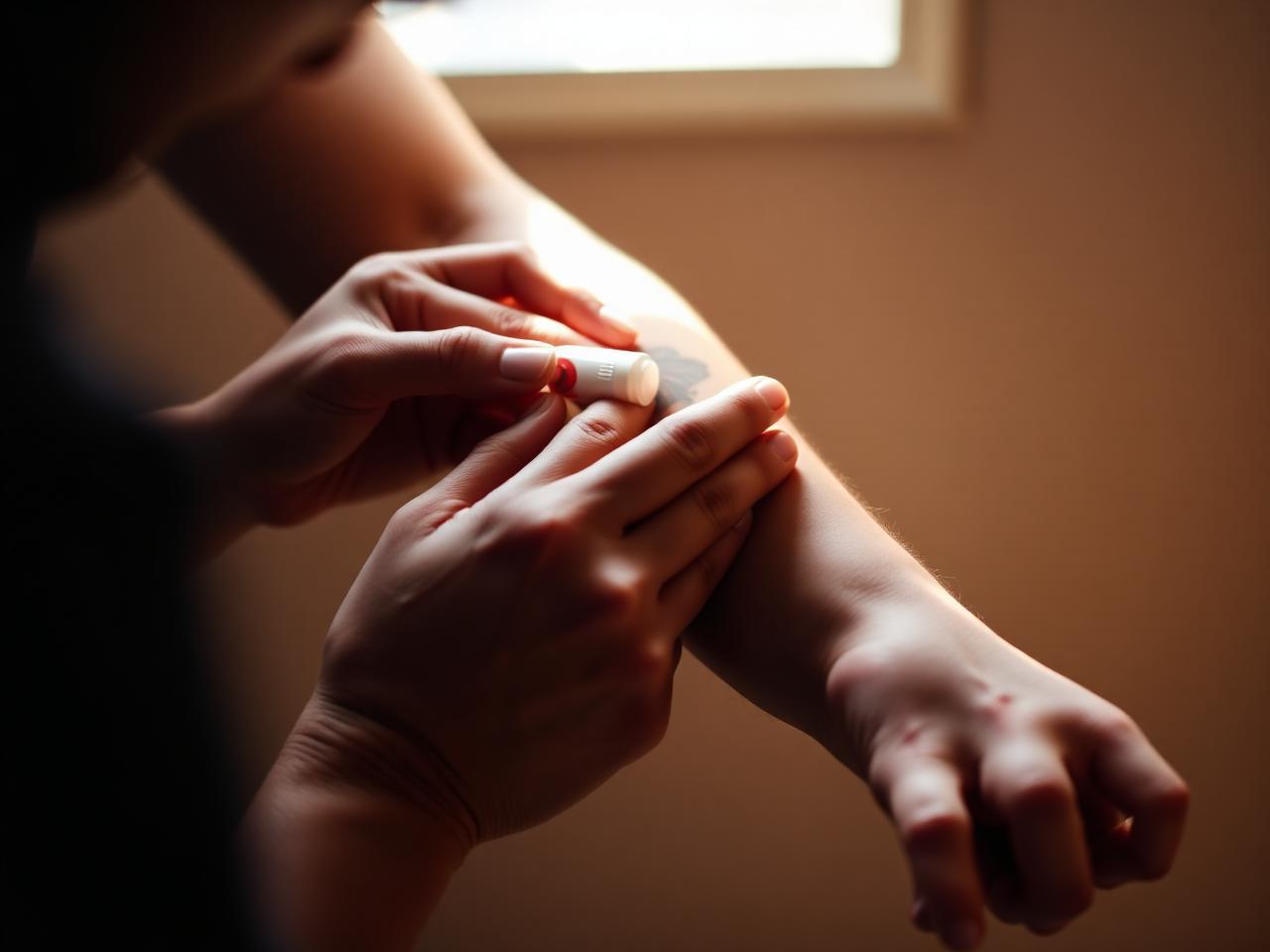
Aftercare basics. Aftercare is artist-specific, and you should follow your artist's protocol over anything you read on the internet. The general shape, in plain terms: leave the artist's wrap on for the time they tell you, then wash gently with unscented soap, pat dry, and apply a thin layer of fragrance-free balm a couple of times a day for about a week. Avoid swimming, saunas, direct sun, and heavy gym work for roughly two weeks. After healing, sunscreen on the tattoo every day for the rest of its life is the single most useful long-term habit.
When to ask for help. If something about the healing looks genuinely off — unusual swelling, increasing pain after the first few days, signs of infection, an unexpected reaction — ask your artist first. They know your skin and their work. For anything that feels clinical, or if symptoms persist or worsen, talk to a medical professional. Tattoo artists are not doctors, and reputable ones will tell you the same.
If any part of this checklist still feels uncertain — the idea, the style, the artist, the budget — that is exactly what we are here for. The intake form is a calm place to start the conversation, and a first tattoo is a perfectly good reason to send one.