How to build a tattoo brief before you contact an artist
A practical way to organize your idea, placement, style, references, budget, and timeline before reaching out.
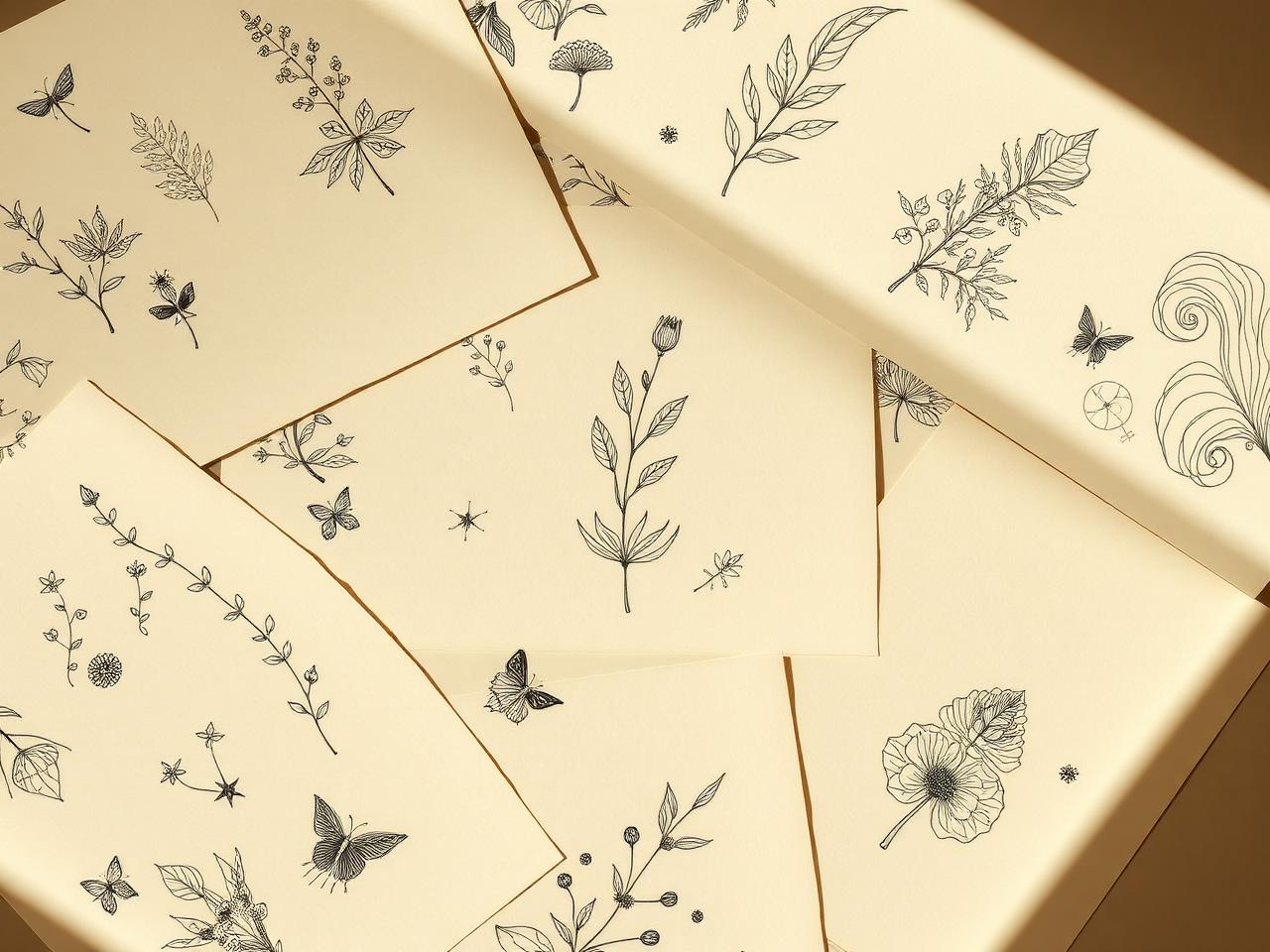
A tattoo brief is the short document — sometimes just a few paragraphs in an email — that tells an artist what you are trying to make. It is not a contract and it is not a final design. It is the smallest amount of context an artist needs to decide whether the project is right for them, and to quote it accurately if it is. A clear brief almost always gets a faster, better reply than a long one.
Below is the structure we recommend, in roughly the order an artist will read it.
Idea and meaning. Start with one or two sentences on what the tattoo is and why you want it. You do not need to share anything private; a sentence like 'a small piece to mark the year I moved cities' is enough. Meaning shapes tone, and tone shapes line weight, scale, and composition more than people expect.
Placement and size. Name the body part and, if you can, the approximate dimensions in inches or centimetres. 'Inner forearm, about four inches' is far more useful than 'medium, on my arm.' If you are open on placement, say so — some ideas live better in one spot than another, and a good artist will tell you.
Style direction. Use the language the tattoo world already uses: fine line, blackwork, traditional, neo-traditional, illustrative, Japanese, realism, geometric, single-needle, dotwork. If you are unsure, describe the feeling — 'quiet, soft, almost botanical' — and let the artist translate. Avoid stacking five contradictory styles in one brief; pick the one or two you are most drawn to.
Reference images. Three to six images is usually right. More than that becomes noise. Choose references that show what you actually respond to — composition, line weight, mood — not just images of the same subject. A short note under each one ('I like the spacing here, not the shading') is gold for an artist trying to read your taste.
Budget range. Share an honest range, not a single number. Tattoo pricing varies widely by city, artist, and complexity, and a real range lets the artist tell you quickly whether the project fits. If your budget is genuinely flexible, say that too — but vague openness is not the same as a real range.
Timing. Note your ideal window and any hard constraints: a wedding, a trip, a healing period before summer. Be realistic. Many of the best artists book months out, and rushing a design rarely produces work you will love at sixty.
A few things to leave out. Do not send another artist's finished tattoo and ask for a copy of it — most reputable artists will decline, and rightly so. Use that piece as a reference for style or composition instead, and let the artist draw something original for you. Avoid prescribing every detail of the design in writing; the brief is the starting point, not the storyboard. And skip the apologetic preamble — artists read briefs all day, and clarity is a kindness.
When a brief comes to us at InkLiaison, we read it the same way an artist would. If the idea still needs shaping, we use the brief as the starting point for custom design and refine it together until the drawing is ready for skin. If the idea is settled, we use the brief to narrow our private network down to the one to three artists whose hands, style, and city actually fit. Either way, the better the brief, the faster the recommendation — and the closer the first reply gets to something you can act on.
If you would like a second pair of eyes on your brief before you send it anywhere, the intake form is built for exactly that. Paste the draft, attach the references, and we will read it with care.