What to bring to a tattoo consultation
The references, questions, placement notes, and practical details that make a tattoo consultation more productive.
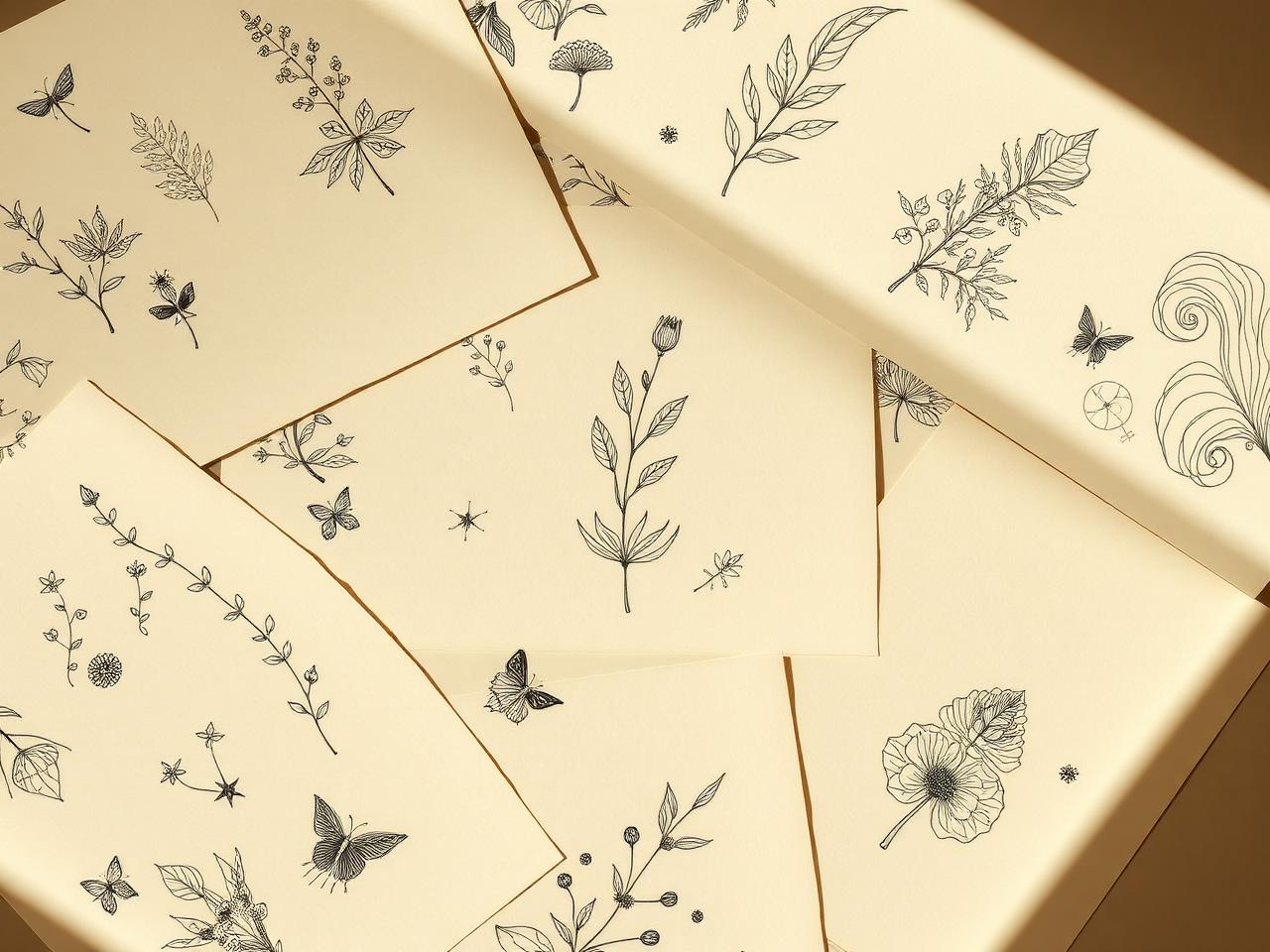
A consultation is a short, quiet conversation that decides most of what your tattoo will become. Twenty to thirty minutes is typical. The artists we work with are patient, but they are not mind readers — and the difference between a productive consultation and a meandering one is almost always what the client brought into the room.
Here is what to walk in with.
The idea, in one or two sentences. Not a story, not a script — a simple statement of what the tattoo is. 'A small piece for the year my daughter was born' or 'a traditional snake and rose, but softer than the originals' is plenty. The artist will ask the follow-up questions that matter.
Placement notes. Know the body part you have in mind, and be prepared to point to the spot. If you are flexible, say so. Bring loose clothing or layers that let the artist actually see the area without an awkward pause. For wrists, forearms, and ankles, this is easy. For ribs, hips, and backs, plan ahead.
Approximate size. Bring a rough sense of dimensions — 'about the size of a credit card,' 'roughly the length of my forearm.' If you have a measuring tape at home, take a quick measurement of the area before you arrive. Size and placement together drive almost every other decision.
Style references. Three to six images, organized in a single album or folder on your phone. Choose them for what you respond to — line weight, composition, mood — not just because they share a subject. A short note under each image, even just 'I like the spacing here,' helps the artist read your taste in seconds instead of minutes.
Examples of what you do not want. This is the most under-used part of a consultation. One or two reference images of styles or approaches you want to avoid will save more time than ten you like. 'Not this heavy,' 'not this dense,' 'not this cartoonish' tells the artist where the edges of the project are.
Budget and timeline. Have an honest range in mind, and be ready to say it out loud. Most artists will quote a flat rate or an hourly estimate during or shortly after the consultation, and a real range keeps that conversation grounded. On timing, know your ideal window and any hard dates — a wedding, a trip, a season you would rather not heal through.
Health, skin, scar, or cover-up notes, if relevant. Tell the artist about scarring in the area, recent sun exposure, skin conditions, allergies to common tattoo products, pregnancy, or anything you take regularly that affects bleeding or healing. Keep it brief and factual. For anything you are unsure about, talk to your artist or a qualified medical professional before booking. The point of mentioning it at the consultation is so the artist can plan the work or, occasionally, suggest waiting.
Questions to ask. A short list helps. Useful ones: How would you approach this design? Do you see any changes to placement or scale? How long do you estimate it will take, in one sitting or several? What is your deposit and cancellation policy? When do I see the final drawing, and how many revisions are included? What aftercare do you recommend for your work? Do not ask all of them — pick the three that actually matter to you.
Finally, a note on tone. The most common mistake at a consultation is over-directing — arriving with a fully drawn design, a fixed line weight, and a precise placement, and asking the artist to execute it. The second most common mistake is the opposite: arriving with no opinion at all and hoping the artist will read your mind. The middle ground is the goal. Bring a clear brief, strong references, honest constraints, and then leave the artist room to do what you came to them for.
If you would like help shaping any of this before you sit down with an artist, the intake form is a calm place to start.